Animal vs. Plant Protein: 9Round's 2025 BCAA Fuel Smackdown

Dietary choices over the years have greatly expanded not only in the U.S., but globally. We've all heard that there are various food sources that can give us the right amount of protein. Meat doesn't have to be our only source as we once thought. But is that really true? At 9Round, we believe in providing clear, practical information to help you perform better and recover faster. Understanding the difference between animal and plant protein, as well as their impact on amino acids like BCAAs, can guide your nutrition choices.
Whether you want a leaner body, stronger muscles, or faster recovery post workout, knowing these details matters. This 2025 protein smackdown explains the key differences between animal and plant protein. You'll learn how to make smart, nutritious choices for maximum results, better health, and long-term fitness based on your preferences.
Animal Protein: Quick, Complete, Powerful
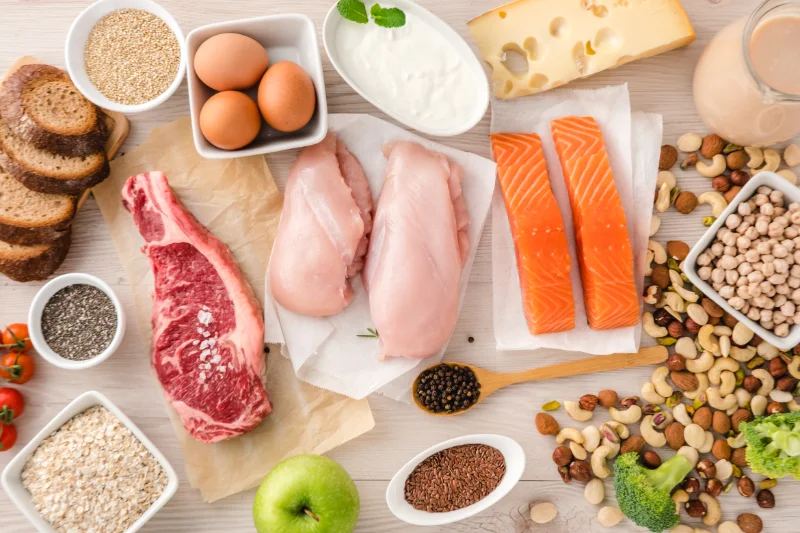
Animal protein includes foods like chicken, eggs, fish, beef, and dairy products. These proteins naturally contain all the essential amino acids your body needs. Essential amino acids are protein building blocks your body can't produce on its own. Animal sources typically have high levels of these nutrients, making them "complete proteins."
Whey protein, from milk, stands out for workout recovery. It's easily digested and contains a high amount of branched-chain amino acids (BCAAs). These BCAAs, especially leucine, help trigger muscle building right after your 9Round sessions. Eggs and fish are also excellent animal proteins, rich in easily absorbed nutrients that enhance muscle repair and overall energy.
However, animal proteins can sometimes include higher levels of saturated fats and cholesterol. Choosing lean meats like chicken breast, turkey, and fish can help you gain muscle benefits without unnecessary fats or calories.
There is a certain drawback with these foods for certain individuals. Not everyone switches to plant-based sources for political reasons. There is a large number of people that have a negative reaction to red meat, for example people with gout symptoms. Many Americans are also lactose intolerant which makes them feel sick and unable to digest food properly because they aren't aware of alternatives.
Plant Protein: Eco-Friendly and Nutrient Rich
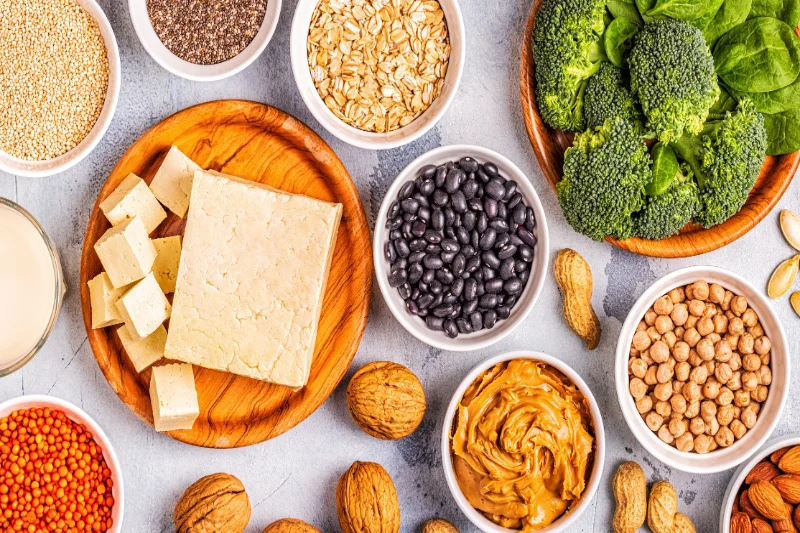
Plant protein comes from foods like beans, lentils, nuts, seeds, and whole grains. While some plant proteins (soy, quinoa, and hemp) are complete, others might lack one or two essential amino acids needed to make the most of protein. You can however combine plant sources to get all the amino acids that you need, especially if you're an active gym member.
For instance: Eating rice with beans or peanut butter with whole-grain bread creates a complete protein meal or snack.
Plant proteins may have extra health advantages too. They usually contain more fiber, vitamins, and healthy fats, which help maintain heart health and digestion.
For example: Beans and nuts provide fiber and healthy fats, promoting a healthy gut and stable energy levels throughout the day.
From an environmental perspective, plant proteins have a smaller carbon footprint. Growing plant protein sources like peas or beans uses far less water and produces fewer greenhouse gases compared to that of animal farming. This makes plant proteins a smart choice for anyone who not only cares about the planet, but wants to help the planet.
BCAAs: The Essential Aminos for Muscle Growth
Branched-chain amino acids (BCAAs) are three crucial amino acids: leucine, isoleucine, and valine. They support muscle recovery and growth by repairing muscle fibers after intense exercise. Leucine especially helps trigger muscle-building processes, making it a key player in post-workout nutrition.
Animal sources naturally contain higher amounts of BCAAs. Whey protein, eggs, chicken, and fish all deliver robust doses of leucine. Plant proteins like soy, pea, and lentils also have BCAAs but typically in slightly lower amounts. If you rely on plant protein, ensure you eat enough quantity and variety. This guarantees you reach optimal leucine levels needed for muscle growth and recovery.
Digestion and Absorption: Getting the Most from Your Protein
Animal proteins generally digest faster and more completely. Your body absorbs protein from whey or eggs efficiently, delivering quick nutrients to muscles after workouts. That's why whey protein shakes are popular right after gym sessions.
Plant proteins digest a little slower because they often contain fiber. While this slows absorption slightly, it provides the bonus of keeping you fuller for longer. If you experience digestive issues or bloating, choose easily digested plant proteins like pea isolate or soy protein.
For example, vegan proteins that don't cause bloating include pea protein and rice protein blends. These options digest comfortably and provide solid protein content without the digestive discomfort that may be common with heavier plant proteins like beans or lentils.
Best Time to Take Vegan Protein Around 9Round Sessions
Timing your protein intake helps maximize your workout results. If you prefer plant protein, timing can make a noticeable difference. The best time to take vegan protein around 9Round sessions is shortly after you finish. Aim for a protein-rich smoothie or shake within 30 to 60 minutes post-exercise. This timing helps muscle repair begin quickly.
For example, blending pea protein powder with almond milk and fruit creates a convenient, tasty shake that's easy on your stomach and ideal after intense circuit training at 9Round.
Fuel Fitness with the Right Protein Choices
Selecting proteins that match your fitness goals can boost your athletic performance. If your goal is fast recovery and significant muscle gain, you might choose animal proteins for convenience and complete amino profiles. Grilled chicken salads, scrambled eggs, or whey protein shakes deliver quick muscle repair.
If you're seeking more long-term health benefits, plant proteins offer many advantages. Vegan-friendly foods like beans, quinoa, and tofu provide fiber, vitamins, and fewer calories. These options contribute to achieving a leaner body composition over time. Mixing plant proteins gives a broader nutrient range, supporting overall health and well-being.
Energy Boost and Nutrient Absorption
Along with helping your muscles, protein also impacts your daily energy levels. Animal proteins like eggs and fish contain vitamins B12, iron, and zinc, which boost energy levels naturally. Vitamin B12, only found naturally in animal products, supports your energy metabolism and brain function.
On the other hand, plant proteins offer nutrients like fiber, magnesium, and potassium. These nutrients help regulate energy release throughout the day. This prevents energy crashes common with sugary snacks (say no to processed sugar!).
Going for both animal and plant proteins creates balanced meals that enhance your overall energy boost and support effective nutrient absorption.
Avoiding Common Protein Mistakes
When switching proteins, avoid common mistakes that can sabotage results. One frequent error is consuming too little protein. Active individuals need approximately 1.2--1.7 grams of protein per kilogram of body weight daily. Ensure you're meeting these needs through balanced meals and snacks.
Another mistake involves heavily processed protein sources. Instead, choose whole foods or minimally processed proteins for optimal health. For instance, grilled chicken is a better choice than processed sausages. Similarly, plain pea protein powder mixed into smoothies beats sugary protein bars loaded with additives.
Supplements and Whole Foods: Finding Balance
While fitness supplements like BCAA powders can be convenient, they can't replace whole foods. Foods provide additional beneficial nutrients that many supplements lack, such as fiber, antioxidants, and vitamins. Use supplements strategically around workouts, but base your diet mainly on whole-food proteins.
For instance, after a 9Round session, you might have a quick BCAA drink followed by a balanced meal like grilled salmon with vegetables or a quinoa-tofu bowl. This ensures you get rapid recovery and complete nutrition.
Practical Protein Choices for Your Lifestyle
The choice between animal and plant proteins depends on personal preferences, dietary restrictions, and lifestyle.
For convenience and quick digestion: Lean animal proteins and whey shakes might be ideal.
For sustainability, health, or ethical reasons: Plant proteins and vegan-friendly supplements work just as well.
What makes the difference is consistency and variety. Aim to eat protein-rich foods at each meal and follow workouts with protein-rich snacks or shakes. Ensure adequate variety, especially with plant proteins, to cover all essential nutrients.
Conclusion: Making Smart Protein Choices for 2025 and Beyond
Our goal at 9Round is to help people stay informed on the various options they have for hitting their fitness goals. Everyone should make their own decisions about their health with the proper information available to guide them.
Understanding the differences between animal and plant protein helps you achieve optimal health, better performance, and faster recovery. Both protein sources offer valuable benefits, and choosing the right type depends on your personal goals.
Whether fueling muscle growth, improving athletic performance, or maintaining overall health, smart protein choices always matter for healthy muscles. Embrace variety, balance, and nutritional quality, and your fitness journey will reach new heights.
Get more incredible tips like these when you become a 9Round member today! All our members get immediate access to the 9Round Nutrition Guide and new recipes created by a certified nutrition coach every month in the online Member Portal. Schedule your free introductory session with the link below to try our KILLER workouts and get more info about becoming a member!
Schedule Your First Workout
 Back To Blog