Carnivore Diet: Worth It? Pros, Cons & Safer Health Alternatives
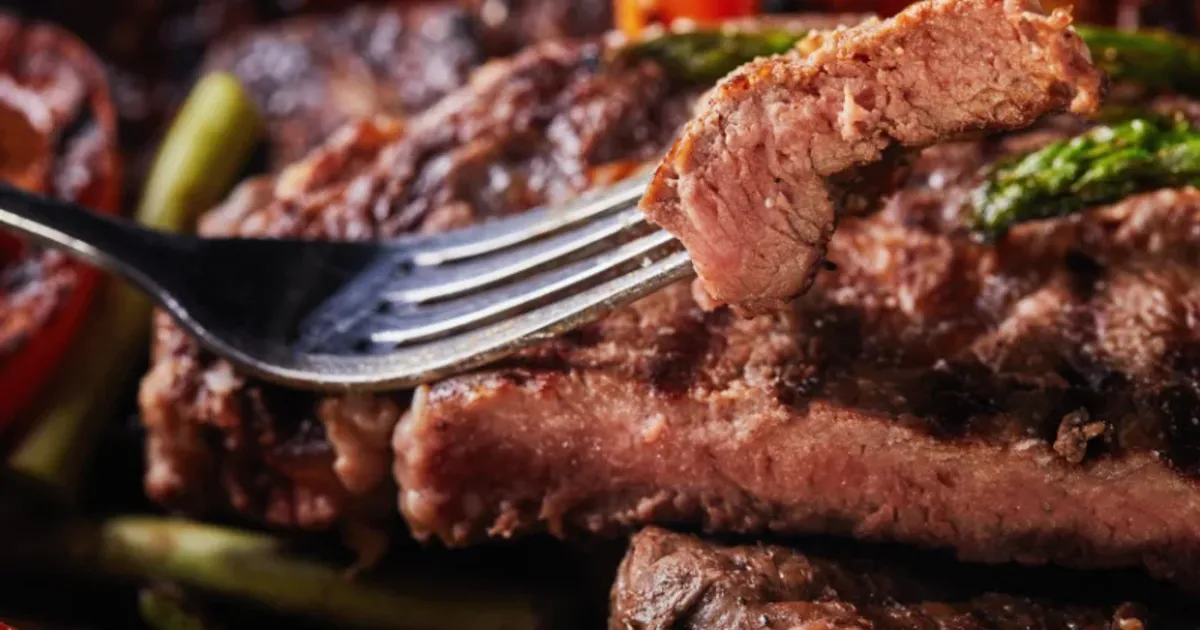
A diet of only meat, eggs, small dairy, and bone broth? The high protein diet has grown popular for its quick weight loss and claims of inflammation reduction. A meat diet is obviously high in protein since it's only protein! It often includes organ meats and bone broth, not just flesh. There are people that claim it has benefits like reduced bloating and better blood sugar, but does it really?
Major health organizations have raised safety concerns about nutrient deficiencies, heart disease risk, gut imbalance, kidney stones, and sustainability. While the diet may help some in the short term, medical experts do not recommend it as a health plan for most people.
Let's examine the pros, cons, and health alternatives; consider 9Round trainers' opinion on carnivore for HIIT, and discuss low-toxicity meat sources for the carnivore diet—so you can decide if it's really worth it.
1. What the Carnivore Diet Claims to Deliver
The carnivore diet simplifies eating by removing all plant foods. Some people say sticking only to meat, eggs, and bone broth helps them lose weight fast and ease joint pain but this isn't scientifically backed up yet. All of it is based on personal stories—not scientific tests over time.
If you love the idea of more meat in your meals, pick lean, clean options like grass-fed beef or wild-caught fish, and still include veggies, eggs, or legumes around your workouts. That kind of balance fuels your muscles, protects your gut, and helps you stay strong and energized. Let food work for you—not against you.
2. Pros: Short-Term Benefits Some Users Report
- Weight loss and metabolic benefits: Cutting carbohydrates often lowers insulin and calorie intake, aiding fat burning.
- Reduced inflammation for some: Anecdotal evidence points to lower inflammatory markers, possibly from eliminating lectins and oxalates found in plants.
- Mental clarity and autoimmune relief in some cases: A few individuals with autoimmune symptoms claim relief when plant triggers are removed, though controlled evidence is lacking.
3. Cons: Why Health Experts Voice Caution
Nutrient Gaps & Lack of Fiber
A meat-only diet lacks fiber, vitamin C, magnesium, and potassium. Fiber supports gut health, lowers cholesterol, and prevents digestive issues. Many registered dietitians warn that strict carnivore plans often produce deficiencies and increase colon cancer risk.
Cardiovascular Risks
High intake of red and processed meat increases saturated fat and cholesterol. Harvard experts warn about elevated LDL cholesterol and long-term heart disease risk in high-meat diets.
Kidney Stones & Protein Load
Consuming large amounts of meat can cause kidney stress and raise the risk of kidney stones. A documented case at Indiana University found a 68‑year‑old man developed painful stones after months on a carnivore diet; his symptoms resolved after reverting to a balanced diet.
Gut Microbiome Disruption
A lack of plant fiber can reduce gut microbial diversity. Diets low in fiber may promote harmful gut bacteria linked to increased systemic inflammation and disease risk.
Cancer & Longevity Concerns
Multiple studies associate high red meat intake with colon and rectal cancer risk. Without plant-based antioxidants, the body misses protective nutrients linked to lower chronic disease risk.
Environmental and Sustainability Drawbacks
Livestock-based diets generate more greenhouse emissions, require more land, and consume more water than balanced diets. Experts also question its long-term viability and cost-effectiveness.
4. Is the Carnivore Diet Safe Long-Term? Doctors Weigh In
Health institutions like Harvard Health and Cleveland Clinic caution against long-term use of the carnivore diet. Experts stress there is no clinical evidence supporting exclusive meat diets for health or longevity and highlight risks including heart disease, kidney stones, gout, and osteoporosis. Your doctor will probably stress the need for nutrient diversity and fiber. Until large-scale studies prove safety, most doctors do not consider this diet sustainable or advisable for the general public.
5. 9Round Trainers' Opinion on Carnivore for HIIT
At 9Round, trainers will recommend a balanced meal plan to support your HIIT recovery and muscle development. While high protein is important for building muscle mass, relying solely on carnivore food can risk gut issues, low energy on long workouts, and safety concerns over inflammation and cholesterol. Everyone should aim to adopt more varied meat alternatives like fish, poultry, legumes, and whole grains for reliable energy and recovery.
6. Pros & Cons Summary Table
| Category | Pros | Cons |
|---|---|---|
| Short-Term Gains | Quick weight loss, inflammation reduction | Based on anecdotal reports, not clinical trials |
| Nutrient Profile | Simple foods, high protein | Deficiencies in fiber, vitamins, minerals |
| Cardiovascular Health | May lower triglycerides | High LDL, elevated heart disease risk |
| Digestive Health | Removes plant irritants | Constipation, gut imbalance |
| Kidney & Liver Function | Extra amino acids for recovery | Risk of kidney stones, gout, organ overload |
| Sustainability & Cost | No processed carbs | Environmental burden, cost of exclusive meat consumption |

7. Healthier Alternatives to Carnivore
Mediterranean or Anti-Inflammatory Diets
Rather than eliminating carbs, experts recommend well-studied patterns like the Mediterranean diet or DASH diet, which include lean fish, vegetables, whole grains, nuts, and olive oil. These plans have been shown to reduce inflammation, support heart health, and promote environmental sustainability.
Personalized Hybrid Approaches
If avoiding plant foods helps with symptoms, a structured elimination diet (like removing gluten, dairy, or legumes) can be safer. It includes deliberate re-introduction and monitoring under healthcare guidance.
Mindful Low-Toxicity Meat Sources
If choosing higher carnivore-like meals, opt for low-toxicity choices like grass‑fed beef, wild‑caught fish, free‑range poultry, and moderate organ meat. Combine them thoughtfully with small servings of vegetables or bone broth for nutrient diversity and reduced risk.
8. What a Balanced Meal Plan Can Look Like
| Day | Breakfast | Lunch | Dinner |
|---|---|---|---|
| Mon | Scrambled eggs + spinach | Grilled chicken + quinoa + kale | Salmon + sweet potato + asparagus |
| Tue | Greek yogurt + berries | Beef burger patty + mixed salad | Tofu stir‑fry + broccoli + brown rice |
| Wed | Bone broth + hard boiled eggs | Tuna salad + chickpeas | Lean turkey breast + quinoa + mixed greens |
These meals feature balanced protein, fiber, healthy fats, and micronutrients that support recovery and wellbeing without excluding plant foods.
9. So, Is Carnivore Worth It?
If you're thinking about going all-meat with the Carnivore Diet, here's what you need to know: Yes, it can help you shed pounds and even reduce inflammation—sometimes fast. But for most people, it comes with risks like missing out on important vitamins, messing up digestion, stressing your kidneys, increasing cholesterol, or even raising long-term health risks. That's why top experts from Harvard and the Cleveland Clinic recommend a more balanced plan. If you still want a meat-heavy diet, pick lean, clean cuts and mix in vegetables and other protein sources. That way, you feel good, stay strong, and support your body for the long run.
Conclusion
While the Carnivore Diet may deliver fast fat loss and short-term relief for some conditions, its long-term safety is unproven. Getting rid of plant-based foods risks nutrient deficiencies, cardiovascular issues, kidney stress, gut imbalance, and potential cancer risks.
If you're exploring this diet, talk to a healthcare provider first and consider balanced alternatives like the Mediterranean diet or anti-inflammatory eating. At 9Round, trainers recommend lean proteins, meat alternatives, and bone broth alongside plant foods for sustainable health and performance.
Real results come from balanced diets you can maintain—without risking your wellness. Balance and variety are great choices for every part of our lives. It's better to aim for a safer path to strength, energy, and longevity.
Get more incredible tips like these when you become a 9Round member today! All our members get immediate access to the 9Round Nutrition Guide and new recipes created by a certified nutrition coach every month in the online Member Portal. Schedule your free introductory session with the link below to try our KILLER workouts and get more info about becoming a member!
Schedule Your First Workout
 Back To Blog