Post Workout Nutrition: Top Foods for Soreness & Muscle Recovery
What you eat after a demanding training session affects how fast you bounce back. Smart workout recovery meals can reduce pain and boost your progress. Eating the right top foods helps muscles heal, cuts inflammation, and keeps energy high. For effective muscle recovery and inflammation relief, nutrition is key. Your protein intake, carbs, and healthy fats matter a lot. Today, we'll share the best foods to help your body repair quickly after intense workouts. Follow this simple guide to feel stronger, faster, and ready for your next session.
Protein-Rich Foods for Fast Workout Recovery
Protein builds and repairs muscles after exercise. Without enough protein, muscles heal slower and soreness lasts longer. Include these protein-packed options in your meals:
- Chicken Breast
Chicken breast is lean and loaded with high-quality protein. It has all amino acids needed to rebuild muscles after training. Grilled or baked chicken with quinoa and veggies makes a perfect recovery meal. - Eggs
Eggs provide complete protein and leucine, an amino acid that signals your muscles to recover. Eggs digest quickly, making them ideal for post-workout snacks or meals like veggie omelets with sweet potato hash. - Greek Yogurt
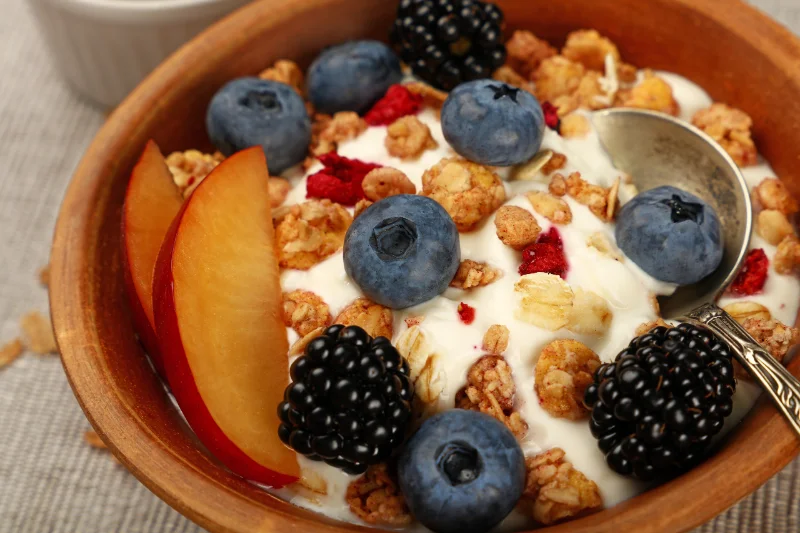
Greek yogurt is another fantastic protein choice. It digests fast and has calcium to support muscle function. Enjoy it as a snack mixed with berries and honey to fuel rapid recovery. - Tofu and Tempeh
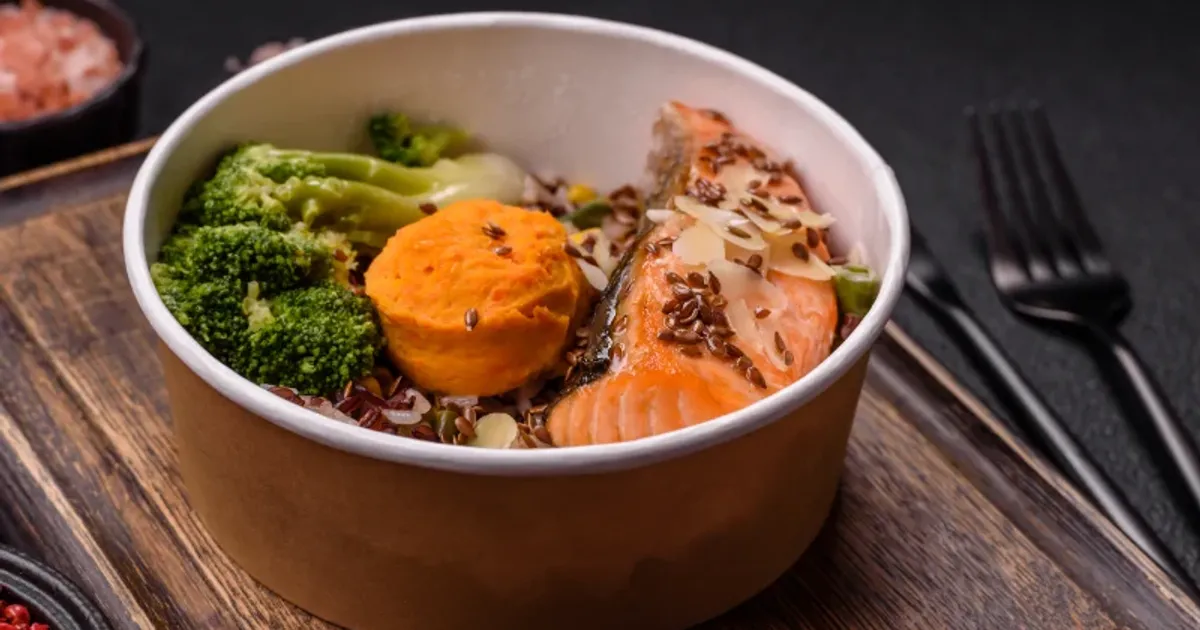
Vegetarian or vegan? Tofu and tempeh are complete protein sources. They support muscle repair as effectively as animal proteins. Stir-fry them with brown rice and veggies for a satisfying meal. - Salmon or Tuna (Optional)
These fish contain omega-3 fatty acids that fight inflammation. Eating salmon or tuna occasionally helps speed up recovery and reduce muscle soreness.
Antioxidant and Anti-Inflammatory Foods
Exercise naturally causes inflammation. Eating foods that reduce inflammation helps your body heal quicker and minimizes pain after tough workouts.
- Berries (Blueberries, Cherries, Raspberries)
Berries reduce oxidative stress caused by exercise. Eat berries fresh or frozen, or add them to smoothies or oatmeal protein bowls to boost antioxidants. - Tart Cherry Juice
Many athletes swear by tart cherry juice for reducing delayed-onset muscle soreness (DOMS). Drink a small glass after workouts to soothe muscles. - Spinach and Kale
These leafy greens are high in magnesium, a mineral that relaxes muscles. Include spinach or kale in salads, smoothies, or stir-fries regularly. - Broccoli and Bell Peppers
Broccoli and bell peppers have tons of vitamin C. Vitamin C helps repair collagen and boosts immunity. Steam or roast these veggies to add nutrition to your recovery meals. - Ginger and Turmeric
Both spices naturally lower inflammation. Drink ginger or turmeric tea, or add them to smoothies or soups to reduce muscle pain.
Hydrating and Electrolyte Foods
Hydration and electrolytes are critical after intense training. Proper hydration prevents cramps and supports muscle function.
- Coconut Water
Coconut water is full of natural electrolytes like potassium. Drink it after workouts to rehydrate quickly and prevent muscle cramps. - Bananas
Bananas are rich in potassium, an essential mineral to stop cramping. Pair banana slices with peanut butter for a tasty snack that provides quick energy and hydration. - Oranges and Citrus Fruits
Oranges offer hydration and vitamin C for tissue repair. Eat an orange or add fresh citrus slices to your water bottle after exercise.
Recovery Carbohydrates for Energy Replenishment
Carbohydrates restore your energy levels by refilling glycogen stores depleted during workouts. Choosing the right carbs supports faster workout recovery.
- Quinoa or Brown Rice
Quinoa and brown rice are complex carbs that digest slowly. They steadily replenish energy stores. Serve them alongside proteins like chicken or tofu for balanced recovery meals. - Sweet Potatoes
Sweet potatoes provide carbohydrates, vitamin A, and potassium. Mash, bake, or roast sweet potatoes and pair them with lean proteins and veggies. - Oats
Oats are versatile and full of good carbs and protein. Make overnight oatmeal protein bowls with fruit yogurt for a quick morning recovery meal.
Bonus Add-Ons for Extra Recovery Power
Some foods give you extra recovery benefits and make tasty snacks. They include:
- Dark Chocolate (70% or Higher)
Dark chocolate is rich in antioxidants. A small piece after working out provides quick energy and reduces muscle inflammation. - Nut Butters (Peanut, Almond)
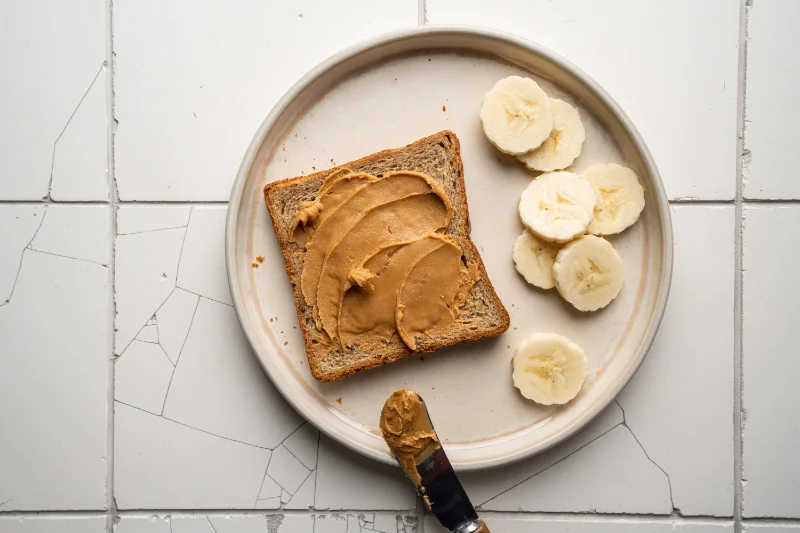
Nut butters contain healthy fats that support joint and tissue recovery. Spread almond or peanut butter on whole-grain toast or banana slices for an easy recovery snack.
Quick Meal Examples for Optimal Recovery
Here are a few easy meal examples to speed up recovery after your workouts:
- Chicken + Quinoa + Spinach + Tart Cherry Juice
This meal offers protein, carbs, and anti-inflammatory nutrients for maximum recovery. - Egg & Veggie Omelet + Sweet Potato Hash + Berries
A balanced breakfast filled with protein, good carbs, and antioxidants. - Tofu Stir-Fry + Brown Rice + Broccoli + Orange
This vegetarian meal supports muscle repair, immunity, and hydration all in one dish. - Salmon + Kale Salad + Avocado + Oats Smoothie (optional)
Packed with healthy fats, antioxidants, and energy-boosting carbs to speed recovery. - Greek Yogurt + Berries + Honey + Dark Chocolate Square
Ideal for snacking, provides quick-digesting protein, antioxidants, and healthy fats.
Foods to Avoid After Intense Exercise
Certain foods slow recovery or increase soreness. Limit or avoid:
- Sugary snacks or sodas
- Highly processed foods like chips or candy
- Fried foods or heavy meals with lots of fat
- Alcohol (dehydrates muscles and slows recovery)
Choosing healthier options supports quicker recovery, less pain, and better fitness progress.
How Long Should You Wait to Eat After 9Round?
How long should you wait to eat after 9Round? Eating within 30 minutes to one hour after intense exercise is ideal. This window allows your body to quickly absorb nutrients to repair muscles and replenish energy. Waiting too long can slow recovery and increase soreness. Have a quick snack like fruit and yogurt, bananas with peanut butter, or a recovery shake right after your workout. Then follow with a balanced meal later.
9Round Trainers' Favorite Recovery Snacks
9Round trainers know how important recovery nutrition is. Here are some top snacks 9Round coaches recommend:
- Banana slices with peanut butter for quick carbs and healthy fats.
- Greek yogurt with berries and honey for fast protein and antioxidants.
- Oatmeal protein bowls topped with nuts and fruits.
- Smoothies made with spinach, berries, and protein powder.
These simple snacks support fast muscle recovery, reduce soreness, and keep energy levels high after your intense sessions.
Final Thoughts on Effective Post Workout Nutrition
Eating the right foods after training makes all the difference in your fitness journey. Focus on balanced meals with proteins like chicken, tofu, or eggs, anti-inflammatory foods like berries and ginger, hydrating choices like bananas and coconut water, and good carbs such as sweet potatoes or oats. Include snacks recommended by 9Round trainers for the best results. Follow these nutrition tips consistently to feel less soreness, recover quickly, and achieve your fitness goals faster than ever before.
Get more incredible tips like these when you become a 9Round member today! All our members get immediate access to the 9Round Nutrition Guide and new recipes created by a certified nutrition coach every month in the online Member Portal. Schedule your free introductory session with the link below to try our KILLER workouts and get more info about becoming a member!
Schedule Your First Workout
 Back To Blog